Category: Fashion

  • Textile Manufacturing Insights: Trends, Processes, and Industry Innovations

    Textile Manufacturing Insights: Trends, Processes, and Industry Innovations

    The textile manufacturing industry plays a vital role in the global economy, supplying materials for clothing, home furnishings, and industrial applications. From raw fiber production to finished fabrics, the process involves multiple stages that require precision, technology, and innovation. As consumer demands evolve and sustainability becomes a priority, the textile sector is undergoing significant transformation. This article explores key insights into textile manufacturing, including processes, challenges, and emerging trends shaping the industry.

    Understanding the Textile Manufacturing Process

    Textile manufacturing begins with the production of raw materials such as cotton, wool, silk, or synthetic fibers like polyester and nylon. These fibers are processed into yarn through spinning, which involves cleaning, aligning, and twisting the fibers to create a continuous thread.

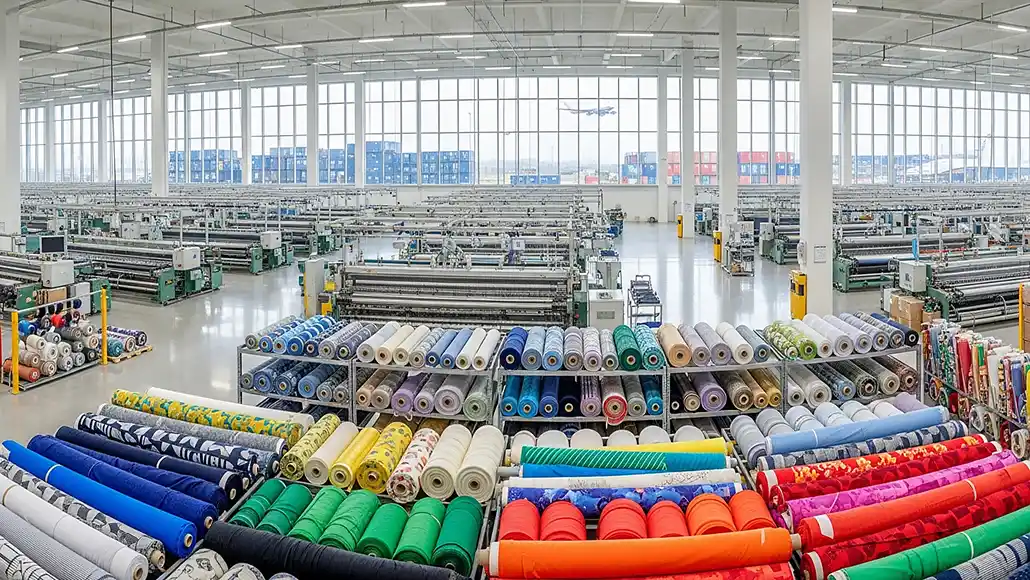
    The next stage is fabric production, where yarn is converted into textiles through weaving, knitting, or non-woven techniques. Weaving interlaces two sets of yarn at right angles, while knitting uses loops to create flexible and stretchable fabrics. Non-woven fabrics, on the other hand, are produced by bonding fibers together using mechanical, chemical, or thermal methods.

    Once the fabric is created, it undergoes finishing processes such as dyeing, printing, and chemical treatments. These processes enhance the appearance, texture, and functionality of the fabric. For example, finishing can make textiles water-resistant, wrinkle-free, or more durable.

    Quality control is an essential part of the manufacturing process. Each stage is carefully monitored to ensure that the final product meets industry standards and customer expectations.

    Technological Advancements in Textile Production

    Technology has significantly improved efficiency and quality in textile manufacturing. Modern machinery and automation have streamlined processes, reducing production time and labor costs.

    Computer-aided design (CAD) systems allow manufacturers to create intricate patterns and designs with precision. Automated looms and knitting machines can produce large quantities of fabric with minimal human intervention, ensuring consistency and accuracy.

    Digital printing technology is another major advancement. Unlike traditional methods, digital printing allows for detailed designs, faster production, and reduced waste. This makes it particularly suitable for customized and small-batch production.

    Smart textiles are also emerging as an innovative segment within the industry. These fabrics are embedded with sensors and electronic components, enabling functionalities such as temperature regulation, health monitoring, and even communication. This innovation is expanding the use of textiles beyond traditional applications.

    Sustainability and Environmental Challenges

    Sustainability has become a major focus in textile manufacturing due to the industry’s environmental impact. Traditional production processes often consume large amounts of water, energy, and chemicals, leading to pollution and resource depletion.

    To address these challenges, many manufacturers are adopting eco-friendly practices. These include using organic and recycled materials, reducing water usage, and implementing energy-efficient technologies. Closed-loop systems, which recycle water and chemicals within the production process, are also gaining popularity.

    Consumers are increasingly demanding sustainable products, prompting brands to be more transparent about their supply chains. Certifications and eco-labels help verify that products meet environmental and ethical standards.

    However, achieving sustainability is not without challenges. Balancing cost, quality, and environmental responsibility requires continuous innovation and investment. Despite these hurdles, the shift toward sustainable manufacturing is expected to grow in the coming years.

    Global Market Trends and Future Outlook

    The textile industry is influenced by global market trends, including changing consumer preferences, economic conditions, and technological advancements. Fast fashion has driven demand for quick production and affordable clothing, but it has also raised concerns about waste and sustainability.

    In response, there is a growing trend toward slow fashion, which emphasizes quality, durability, and ethical production. Consumers are becoming more conscious of their purchasing decisions, favoring brands that prioritize sustainability and transparency.

    E-commerce has also transformed the textile market, enabling manufacturers and retailers to reach a wider audience. Customization and on-demand production are becoming more common, allowing businesses to cater to individual preferences while reducing excess inventory.

    Looking ahead, innovation will continue to shape the future of textile manufacturing. Advances in materials science, automation, and sustainable practices are expected to drive growth and create new opportunities. Companies that adapt to these changes and embrace innovation will be better positioned to succeed in a competitive global market.


    Textile manufacturing is a dynamic and evolving industry that combines traditional craftsmanship with modern technology. By understanding its processes, embracing innovation, and addressing environmental challenges, the industry can continue to thrive while meeting the demands of a changing world.